
How to Get Court Records
Begin with the Turner County Clerk of Superior Court. The shared office serves both Superior Court felony and major civil filings and State Court misdemeanor, traffic, and civil files. It does not hold everything. Probate Court keeps estates, wills, guardianships, and its other statutory records. Magistrate Court holds civil claims, garnishments, dispossessory matters, and county-ordinance cases. Ashburn and Sycamore city courts handle their own municipal matters. The clerk offers no dedicated request form, official request email, or posted copy-fee schedule. Phone, fax, mail, and office visits all work. Call ahead about hours, accepted payment, identification, and delivery options. Do this before you travel or send money.
- Identify the court, case number, approximate year, and exact record.
- Check PeachCourt for State or Superior electronic access.
- Call the custodian to confirm availability, fees, and certification.
- Visit the counter, or ask whether mail or fax is accepted.
- Use a county open-records request only for county agency records, not as a substitute for a court-file request.
Turner County Record Custodians
Custody follows the court, not just the county name. Mary Lee Green is the Clerk of Superior Court, and the State Court page names her as its clerk as well. Probate and Magistrate records sit in separate offices. Ashburn and Sycamore municipal cases begin at their city courts; Rebecca offers no confirmed municipal route.
| Record | First contact | Reason |
|---|---|---|
| Superior felony or major civil | Clerk of Superior Court | Clerk holds the filings |
| State misdemeanor or traffic | State Court or shared clerk | State Court has that jurisdiction |
| Estate or guardianship | Probate Court | Separate probate custodian |
| Claim or dispossessory | Magistrate Court | Separate lower-court record |
| Municipal citation | Issuing city court | City record may not be a county file |
Types of Court Records
Name the product you want. A calendar is a schedule of court dates. A docket is the chronological register of filings. The actual complaint, motion, order, or judgment is a filed image. A certified or exemplified copy adds clerk authentication. Asking only for a "court docket" may get you the wrong item when what you truly need is a signed judgment.
- Calendars and daily schedules showing settings
- Docket registers listing filings and events
- Pleadings, motions, orders, and judgments
- Plain paper or electronic copies
- Certified or exemplified clerk copies
- Transcripts held by a reporter or filed in the case
Turner eCertification Route
The GSCCCA eCertification instructions walk through account creation, county and document selection, payment authorization, delivery, and validation for supported records. Not every Turner County court record fits this route. The authority's own page shows its authentication gate.
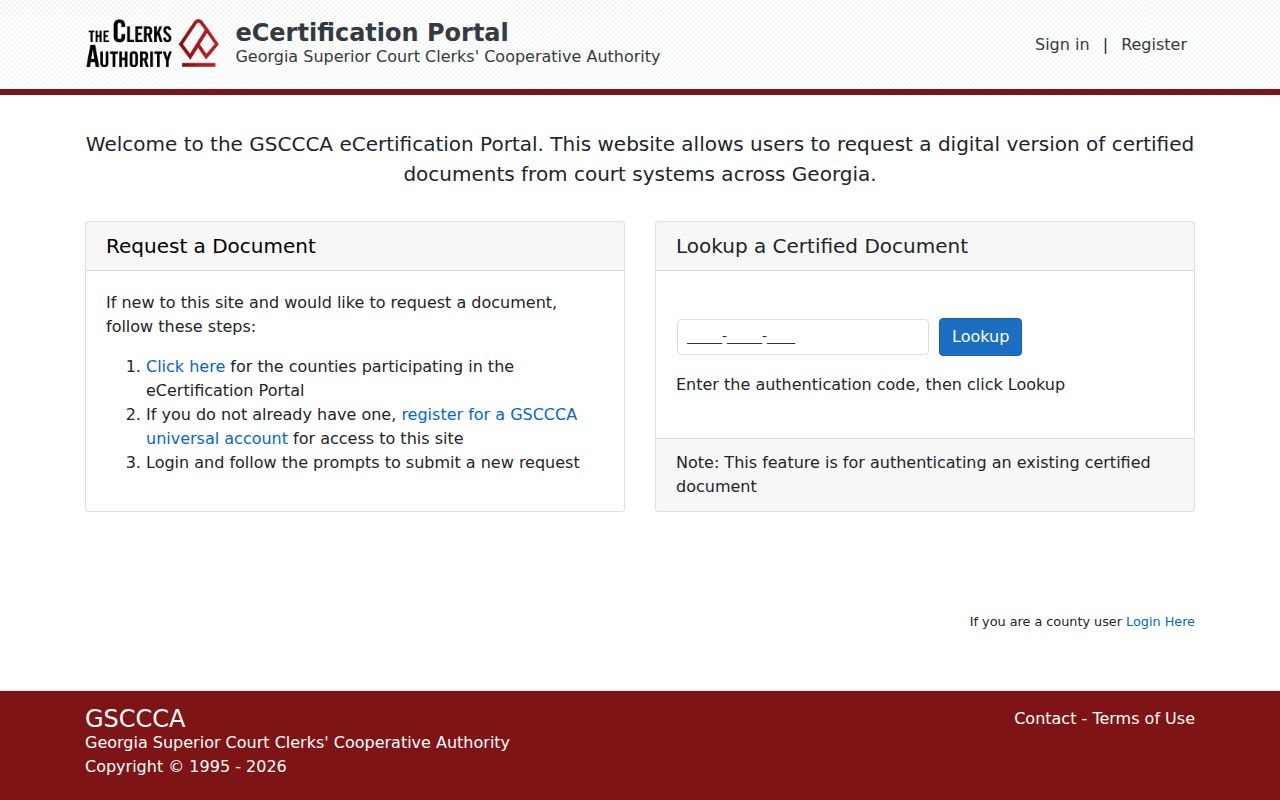
That gate exists because authenticated electronic copies run through a distinct request workflow, not a simple public docket search.
What a Court Record Contains
What you get depends on the case and the product. A calendar may show a date, judge, setting, and case number. It says nothing about motions or outcomes. A docket register lists filings. It may not include every image. The case file can hold pleadings and signed rulings, subject to redaction and access rules.
| Case number | The court identifier, with observed Superior patterns such as 2025CR.... |
|---|---|
| Docket register | Chronological filing and event entries. |
| Pleadings | Complaints, answers, petitions, and motions. |
| Orders | Signed court directions or rulings. |
| Calendar data | A scheduled setting, not proof of its result. |
| Exhibits | Filed material, when public and retained. |
GSCCCA Services Are Separate
The GSCCCA file-services hub ties together e-filing, eCertification, CourtTRAX, and forms. Its recorded-index search deals mainly with deeds, liens, plats, and UCC filings. Similar instruments round it out. Treat those indexes as land-record tools. They are not a Turner County lawsuit or criminal docket search. The authority's own page lists its service categories.
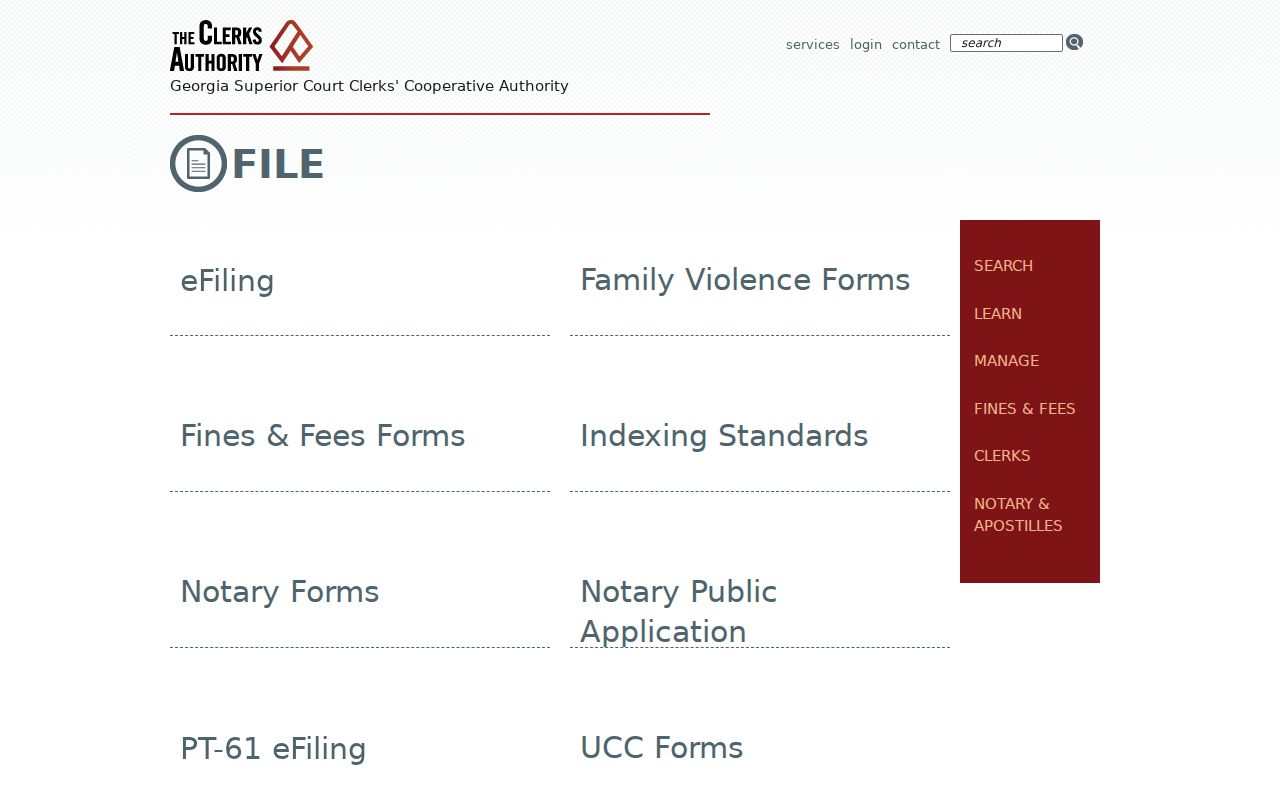
The separate tiles help a requester pick certification or filing tools without confusing them with a general case file.
Certified Copies and Fees
A plain copy simply reproduces a record. A certified copy adds clerk authentication, and an exemplified copy may need further authentication beyond that. Turner County posts no local court-copy fee schedule. Any statewide figure is a reference point only, so confirm the actual charge with the custodian before paying.
| Item | Published reference |
|---|---|
| Superior certified or exemplified copy | $2.50 first page and $0.50 each added page under the cited statutory baseline; confirm locally |
| Probate copy | $1.00 per page in the cited statewide binder; confirm Turner’s current schedule |
| Probate certification under seal | $10 plus copy cost in the cited binder; confirm locally |
| Open-records retrieval | Reasonable charges may apply after the first 15 minutes; not a promised court-file fee |
The GSCCCA fines and fees page describes CourtTRAX and statewide service charges.
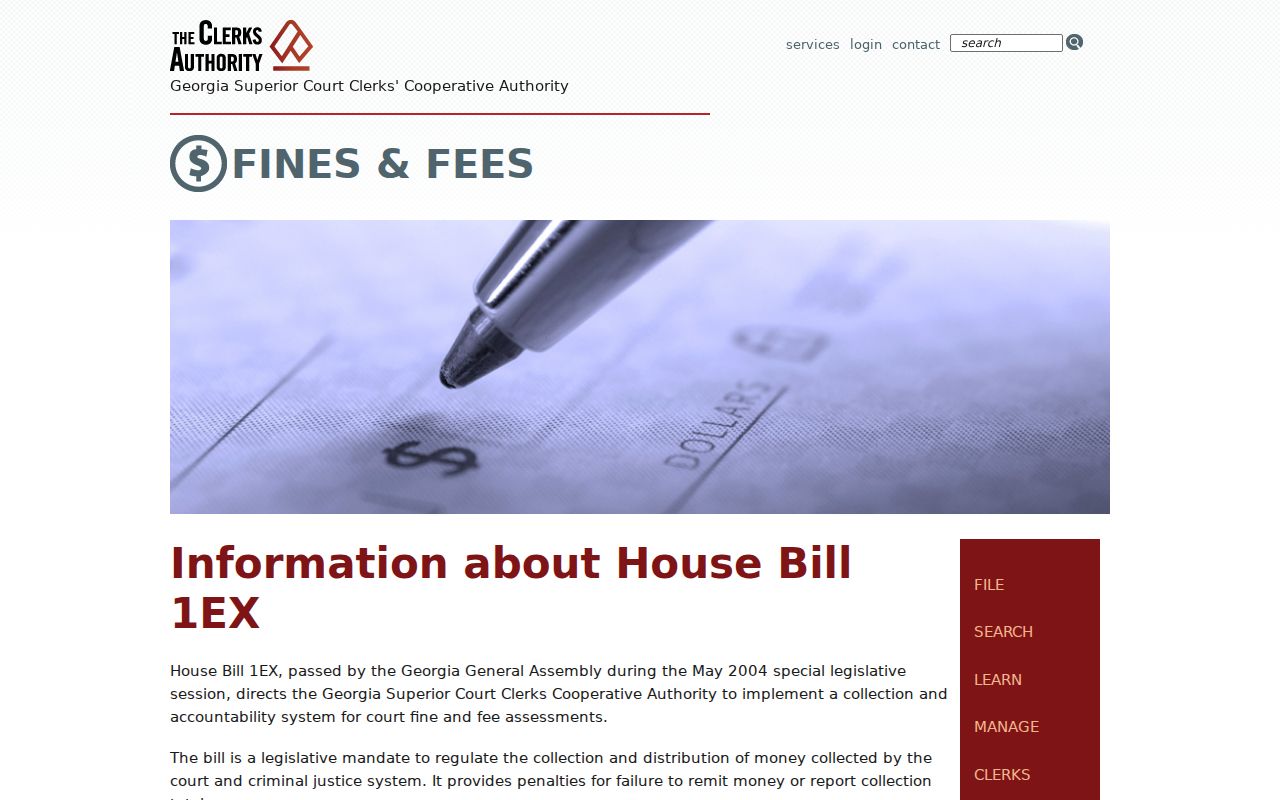
Those charges belong to the listed GSCCCA services and do not set Turner's local case-copy price.
Older Turner County Records
No official source gives a full digitization date, archive address, or older-docket index covering every Turner court. For an old matter, bring the court and the approximate year. Add the record type and any case number. Ask whether the file sits in paper storage or has moved offsite. Ask whether it falls under a retention schedule. Retrieval can take longer and may carry a search charge. Ask whether the retained item can be certified. A statewide retention schedule is a starting point. Only the local custodian can answer for a specific file.
Public Access and Sealed Records
Georgia court rules govern public inspection, sealing, and protected identifiers. The Turner clerk states plainly that juvenile, adoption, and military-discharge records are not open to the general public. A restricted record can exist even when an online search never shows it.
The Georgia Open Government FAQ explains response, retrieval, and copying principles for agency records.
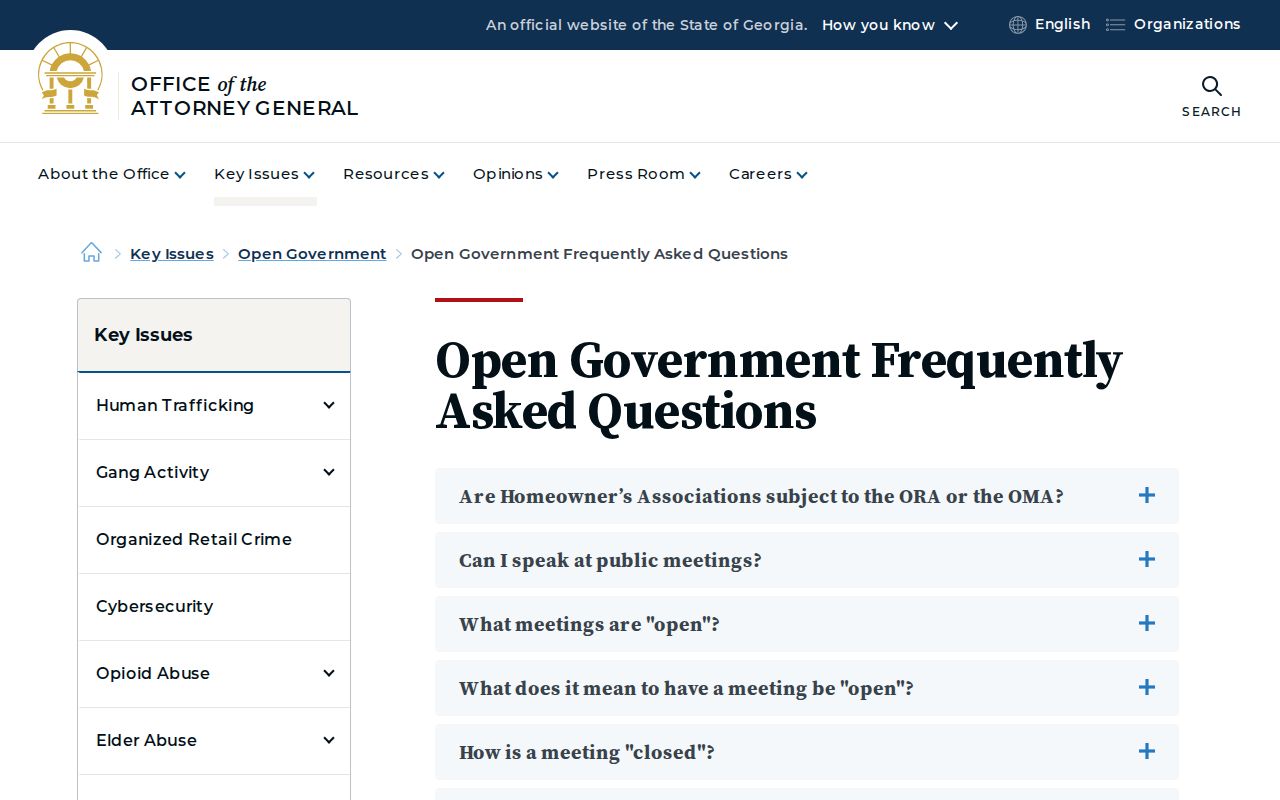
The FAQ supports the agency-request route while preserving the separate court-custodian question.
Turner County Clerk of Superior Court
Room 3, 219 E. College Avenue
Post Office Box 106
Ashburn, GA 31714
(229) 567-2011
Confirm current hours, fees, accepted payment, and delivery before submitting a request.
Open Records Request Boundary
The Georgia Attorney General request guide tells requesters to identify the correct custodian. It also says to describe records with practical detail. Turner County Administration handles county-government records. That role does not make it the custodian of court pleadings or orders. The state's own guidance page spells out the request process.
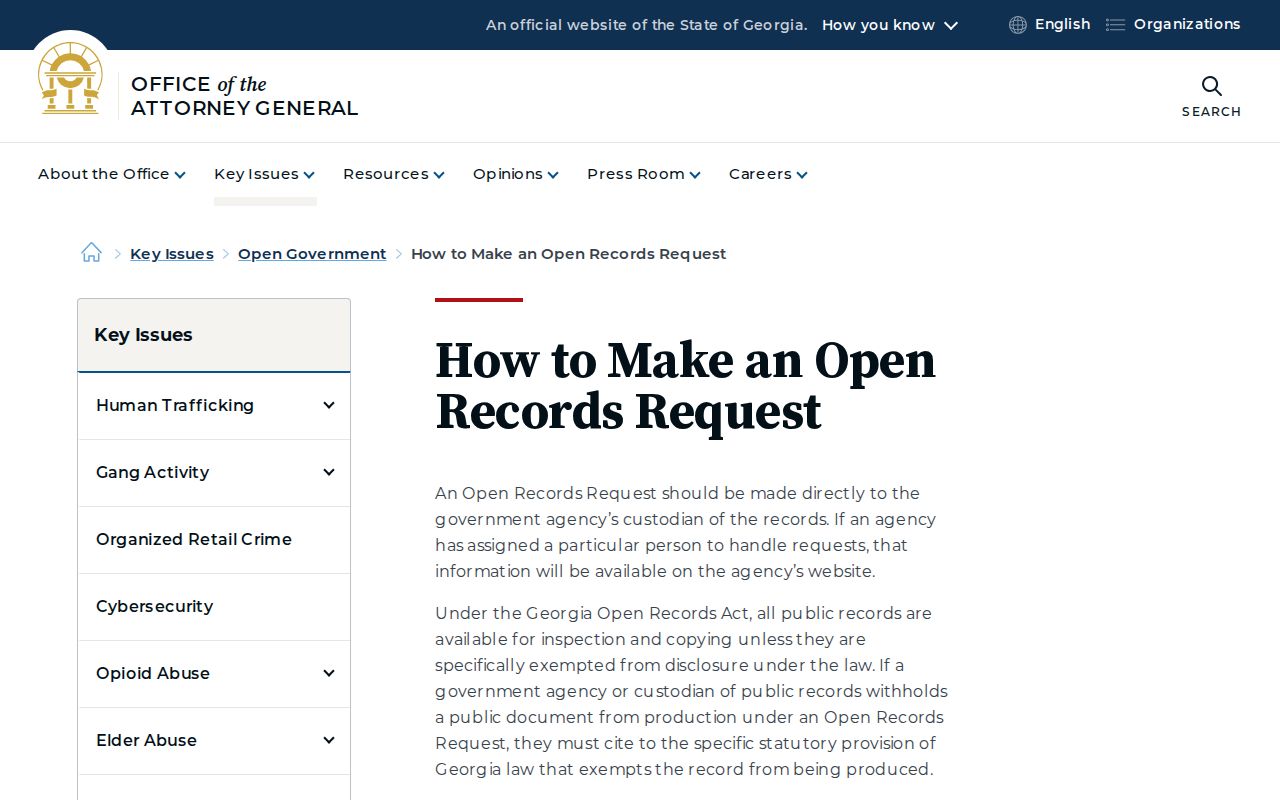
A precise request names the court, case number, date range, document, delivery format, and whether certification is needed. A prior Turner County case search can help you find those identifying details.
Turner Transcripts Are Different
A hearing calendar, a docket register, an audio record, and a transcript are four different things. The calendar only tells you a Turner County event was scheduled. The docket goes further. It can show that the hearing actually happened or that an order was filed. A transcript is different still. It is the written record of what was said in the proceeding. A court reporter usually prepares it. It often comes with its own ordering terms and fees. A reporter-needed field in a civil calendar PDF proves nothing about whether a transcript was ever made or filed.
So ask the clerk directly. Did a reporter attend? Does a transcript already exist, and who takes the order? Georgia's published court-reporter fee material gives statewide context. The court posts no Turner-specific transcript price or turnaround time. Never treat a calendar PDF as a stand-in for sworn testimony or a certified transcript.
Check a Certified Record
Before you order anything, call the Turner County clerk's office. Explain why you need authentication, and ask which form of certification the receiving agency will accept. Pin down the details at the same time. Gather the case number, document title, filing date, page count, seal or exemplification requirement, delivery format, and total charge. Electronic certification may cover one record fine. An older paper file may need another route entirely. So may a record sitting with Probate, Magistrate, or a city court.
Once the record arrives, check it against what you asked for. Compare the court name, the case number, the document itself, and the certification page. GSCCCA offers authentication tools for supported electronic products. Keep in mind, though, that a passing validation there has limits. It cannot turn an unrelated recorded instrument or an unsupported municipal file into a Turner court case record.